
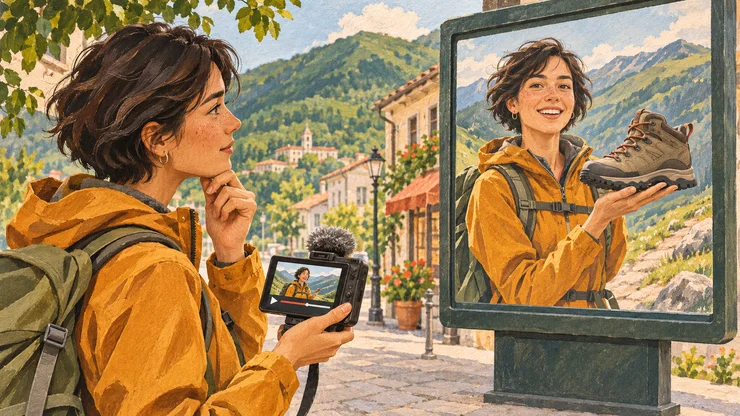
You film a sponsored hiking-boot review for YouTube. Two months later, you see yourself wearing those boots in an Instagram ad. Then a still from your video turns up on a retailer’s website.
That could be a useful second payday. Or it could be something you signed away in the first deal.
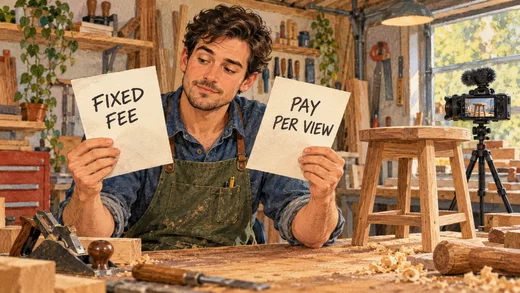
Usage rights tell the sponsor what it can do with your content. Exclusivity limits which other sponsors you can work with. Both can be worth selling, but they need their own boundaries. A fee for your YouTube video doesn’t tell you whether the brand also gets six months of ads or six months without a competing sponsor.
Before quoting, separate the work of making and posting the video from the permissions that come with it.
Your upload, their repost and their ad are different things
A sponsored segment on your channel reaches your audience. A brand that reuses the footage gets something else: a demonstration or recommendation it can put in front of its own customers.
There are three common requests to recognize:
- An organic repost: the brand puts your clip on its social feed without paying to promote it.
- A paid ad: the brand spends money to show your clip to people beyond its followers.
- An ad under your creator identity: the promotion features your channel or handle, rather than just appearing as a post from the brand. The platform permissions for this are separate from sending over a video file.
“Social usage” alone doesn’t tell you whether a brand means one Instagram post or months of paid ads. Websites, emails and retailer campaigns need naming too.
You can include some reuse in your fee. Natural-hair creator Kimberly Cherrell explained in 2020 that ordinary social reposting came with her sponsorship rate. Paid advertising, website use and print had separate prices, with options by the week, month or year.
She had learned from earlier agreements. The original fees seemed attractive, but she later kept seeing her image in the brands’ marketing without receiving another payment. Broad reuse had already been included. Her response was to offer defined options brands could buy.
Agree on the clip, the places it can appear and the edits
Ask what the marketing team actually wants to run. A request for an approved 30-second clip is much easier to quote than “all digital rights.” Get the intended channels and formats clear first.
For our hiking-boot video, the conversation should settle:
The material. Is the brand getting the whole integration, a short cut, still images or raw footage? Raw files let someone build a new ad from takes you didn’t include in your video. Agree separately if the sponsor wants those too.
The destination. Name the platforms and accounts. The boot brand’s Instagram feed and an outdoor retailer’s website are different placements. For paid ads, agree which countries the campaign can target. If an agency or retailer is involved, specify whether the brand can pass permission to them or they need a separate agreement.
The edits. Cropping and captions are different from cutting your sentences into a new recommendation. An edit can make it look as though you recommend something you never said, a risk identified by Ropes & Gray. Agree which edits are allowed and which need your approval before anyone runs them.
Check the soundtrack too. Permission to use a song in your own upload may not cover the sponsor’s advertising. Jacobs Counsel’s licensing guide identifies music, stock material and other people’s appearances as rights to check before granting reuse. You may need to supply a version without the music or have the brand arrange cleared audio.
Usage rights don’t always mean ownership
A limited, nonexclusive license gives the sponsor permission to use specified content without reserving those rights solely for that sponsor. This is separate from whether your deal restricts competing sponsorships. A copyright assignment can transfer ownership. Contracts may also use “work made for hire,” which has specific conditions under US law. If a deal asks you to assign copyright or makes the video work for hire, get qualified contract advice before treating it as an ordinary repost request.
Give the usage period a start and an end
“Thirty days of usage” sounds clear until the brand saves your winter hiking clip for its spring sale. Thirty days starting when?
Use fixed dates, a start tied to publication, or a latest start date followed by an agreed number of days. Your own YouTube upload can stay live while the sponsor’s permission to run its cut expires. The production period and the licensing period are separate.
Then decide what happens at expiry. State that paid ads must stop when their agreed window ends. For organic posts, you could require removal or allow an old post to remain visible without new reposts or paid promotion. Write down the option you agree; “the license ends” leaves that practical question unanswered.
“In perpetuity” means there is no scheduled end date. If you sell that permission, price it as an ongoing use of your work. You won’t have the same opportunity to charge for extensions later.
Those extensions can be valuable. In an October 2025 campaign discussion, creator Latasha James described an older collaboration whose usage rights had been renewed three or four times. Each renewal paid her, and the brand had asked for another extension into the following year.
What a YouTube access request lets the brand do
A sponsor may ask for brand partner access to your video. This lets it see performance data, such as watch time and engagement, and promote your upload through creator partnerships boost. In practice, the brand can use your YouTube video in its ad campaigns; some formats show both the creator and brand identities.
Accepting the request doesn’t settle the fee or usage terms. YouTube tells creators and brands to agree those separately. Check that the request matches the advertising you agreed to.
You can remove access in Studio, withdrawing nonpublic metrics access and consent for creator partnerships boost. But YouTube says the video may still be promoted in other ad contexts, so don’t treat that setting as an off-switch for every ad. At expiry, ask the sponsor to confirm that the agreed campaign has stopped. Handle any separately supplied clips according to your contract too.
Exclusivity can cost you your next deal
A boot sponsor may want a clear run around launch. Agreeing not to promote rival hiking boots for two weeks is a very different commitment from avoiding every outdoor brand for six months.
The second version could block a tent sponsor, a backpack review partnership and a headlamp campaign. That lost flexibility belongs in the price discussion, even if the sponsored video takes exactly the same work to make.
Narrow the category, platforms and duration before agreeing. Work through these questions:
- Which competitors? Name the product category or particular rivals. “Hiking boots” is narrower than “outdoor equipment.”
- Which activities? Ask for the restriction to cover paid sponsorships. Clarify how it treats existing affiliate links, older sponsored videos and unsponsored comparisons.
- Which platforms and dates? A YouTube deal needn’t restrict every account you own. State when exclusivity starts as well as when it ends. Its dates can differ from the reuse license.
- What have you already booked? Check the wording against signed deals and planned campaigns. Agree any exceptions before accepting the restriction.
If the budget won’t cover six months of exclusivity, offer two weeks at that fee. The brand still gets the video; you keep more of your calendar open. Our guide to how YouTube sponsorship deals pay covers the payment side of that conversation.
Put a specific offer in your reply
Give the sponsor a package it can accept or change. Keep the fee for making and publishing the video visible, then price extra uses for an agreed period, as Cherrell does. Longer reuse or broader exclusivity gives you a reason to quote more.
Here’s a reply for the hiking-boot deal, with 30 days of organic reuse and two weeks of sponsor exclusivity:
Hi Taylor,
The December 1 hike video would be a good fit for the boots. My quote includes the 60-second YouTube segment and one approved 30-second cut for your brand’s Instagram feed, with organic use from December 1–30, 2026.
I can also keep December 1–14 clear of paid YouTube sponsorships for competing hiking-boot brands. Other outdoor products and my unsponsored reviews would stay open.
The Instagram cut can be cropped and given accurate captions; other edits would need my approval. Would you like the post to stay on your feed after December 30, without reposting or promotion? I can include that in the agreement.
If you also want to run ads or supply the clip to retailers, let me know the accounts, target countries and dates and I’ll quote those options separately.
Best, Jordan
If the sponsor hasn’t yet explained the work or budget, start with our first-reply guide.
Once you agree, save the approved clip and permissions alongside the contract. Put both expiry dates in your calendar: one for reuse, one for exclusivity. Add a reminder before the usage window closes so you can arrange the end of the campaign or offer a paid extension.
That gives you a reason to contact a satisfied sponsor again: would they like another month with the clip that’s already working for them?