
“Let me know if you’d like to work together again” is a friendly way to end a sponsorship report. It also leaves the next idea entirely up to the brand.
Your contact might have enjoyed the video, but another booking needs a reason: a product to promote, an audience to reach, something the next campaign should achieve. You can help by proposing a video that fits what you both learned from the first one.
Start with the sponsor you would happily work with again. Find out what they want next and suggest a video that helps them achieve it. Contact the person who handled your first booking, whether they work for the brand or an agency. You already have a relationship to build on.
Was the first deal worth repeating?
You now know something you couldn’t tell from the first email: what this brand is like to work with.
Did feedback arrive when promised? Did the product fit naturally into your video? Were you paid as agreed? A familiar sponsor is convenient, but repeating a deal also repeats its workload unless you change the terms.
YouTubers Colin and Samir explain why they hesitate over a year-long deal with an unfamiliar brand: an awkward approval process could make every sponsored segment difficult. Having finished one campaign, you can judge that process from experience. If you needed three unexpected shoots to satisfy the sponsor, agree how many edit rounds the next fee covers and how you’ll charge for new filming.
Then ask about the brand’s side. Your view count and comments tell you how the video was received. They don’t tell you how many customers the sponsor gained or whether it reached its campaign goal.
You could ask: “How did the results compare with what you wanted from the campaign? Is there anything you’d change for another video?” If the goal was sales, ask which purchases the brand could trace to your link or code. If it wanted to introduce a new product, ask what it learned about reaching your audience.
Use that answer to shape the next proposal. A successful product introduction might lead to a demonstration of a different use. If your contact cannot share sales figures, ask whether the campaign met their expectations and what they would want from another booking. You can discuss a next idea without claiming sales results you haven’t seen.
Ask while there’s still time to book the next video
“When are you choosing creators for your next campaign?” gives you a more useful date than an arbitrary reminder to email in a month. Pair that with your own production schedule. If an April upload needs three weeks of preparation and review, explain when you’d need confirmation to make it happen.
The campaign report is a useful opening for this conversation. Tech creator and podcaster Dakota Snow describes ending his reports with an improvement idea and a proposal for the next campaign. You can do the same: share your results and offer an idea for discussion, then use the brand’s feedback to settle the proposal.
If the brand will choose its next partners before your report is due, ask about planning sooner. Be clear about which results are available so far and send the full report on the agreed date.
Give the sponsor a reason to book again
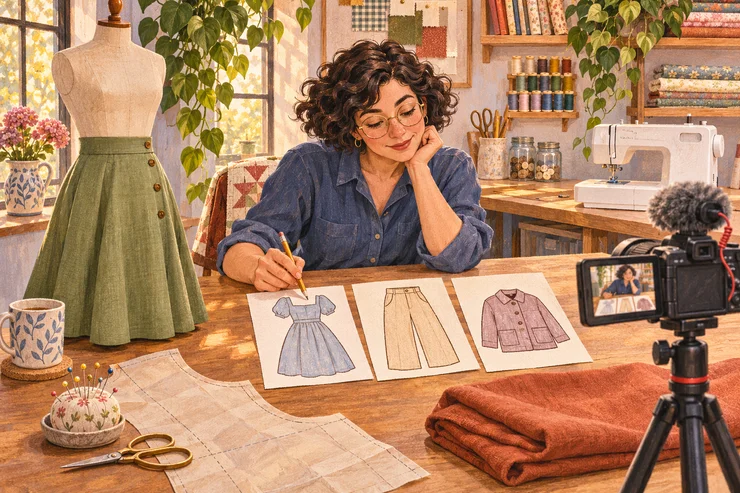
Suppose you make sewing tutorials on YouTube. A pattern retailer sponsored your beginner skirt video, and viewers are now asking how to adjust the pattern when their measurements fall between sizes.
That’s a useful follow-up: show how to alter the fit before cutting the fabric. The retailer’s pattern appears again, but the viewer gets help with a new problem.
Pitch that video on its own if it answers the brand’s next need. If the brand wants a series, propose distinct projects you actually want to make. A fitting tutorial, a guide to choosing fabric for one of the retailer’s patterns and a jacket project give you more to demonstrate than three readings of the same sales script.
The format can change too. In Creators Agency’s account of finance YouTuber Ben Hedges’s work with investing app Silo Markets, the partnership began with a dedicated video in 2024, focused on the sponsor throughout. In 2025, the package shifted toward integrations, meaning sponsored segments within other videos, alongside footage the brand could reuse and affiliate activity. The next deal gave the brand several ways to work with the creator.
Here’s a message for our sewing example. Clara, Maya and the retailer are fictional; replace the bracketed details with your own results and dates.
Subject: Skirt tutorial results + a follow-up idea
Hi Maya,
Thanks again for sponsoring the skirt tutorial. It reached [views] in [reporting period]; I’ve attached the report we agreed on. How did the results look for Pattern House?
Several viewers asked about adjusting the pattern between sizes. I’m planning a fitting tutorial for [month] and would like to use your skirt pattern again, with a 60–90 second sponsored segment showing where viewers can get it.
Would that fit your next campaign? I’d need to confirm the booking by [date] to leave time for filming and your review. If the idea fits, let me know what you’d want included and I’ll send a quote.
Best, Clara
This message offers a direction before the brand has confirmed its next campaign needs. If you’ve already agreed to repeat the previous package with the same deliverables and reuse permissions, include your fee in the message instead. A straightforward repeat booking doesn’t need another round of discovery questions.
Price the work they’re actually booking
A repeat booking doesn’t automatically call for a discount. Artist and YouTuber Kelsey Rodriguez encourages creators to negotiate renewal prices using results and audience growth. In the same video, she describes how valuable one continuing sponsor had been to her income and suggests considering a discount for a longer partnership.
If you want a higher fee, show what has changed since the first booking. Compare recent similar videos over the same period after upload, or use customer results the brand has confirmed. You could write: “For the same package, my fee is now [amount]. Recent tutorials are reaching [average views] in their first 30 days, compared with [previous average] when we booked the first video.”
For a discount, ask what you get in return. A committed series can save time finding replacement sponsors and learning new products. A larger package can also ask more of you, particularly if it adds other platforms or broader permission to reuse your videos.
Consider an example with the same work in each booking:
- One integration at $1,200 means three would cost $3,600.
- A three-video package at $3,000 pays $1,000 per video, a $600 reduction across the series.
You might accept that reduction for a worthwhile booking with dates you can plan around. But if the sponsor buys only one video for $1,000 and says it hopes to book two more, you’ve reduced today’s fee by $200 without securing the other work. You can keep the single-video rate and offer to discuss a package when the brand is ready to book it.
Before agreeing, check what the total buys. Mario Pineda’s guide to longer brand deals highlights deliverables, reuse rights, exclusivity and cancellation terms. Three integrations with permission to repost them are a different package from three integrations the brand can run as paid ads for a year. Quote the extra ad permission separately or offer a shorter usage period that fits the budget.
An exclusivity clause can also block other bookings. A restriction covering every sewing and craft brand gives up more than one covering competing pattern retailers. Include that lost flexibility when deciding whether the price works.
And check the cancellation terms before treating the whole fee as booked income. If the brand can stop after the first video, agree what happens to the package discount and payment for work already completed or committed. Put payment dates alongside the video schedule. A year of promised work won’t cover this month’s costs if you only invoice at the end.
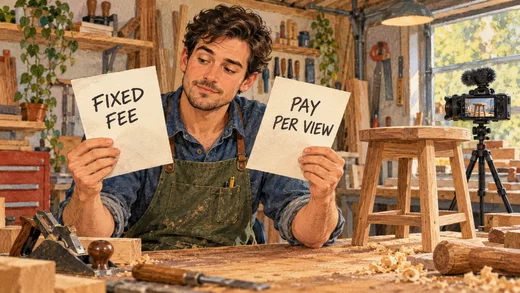
If the new offer changes a fixed fee into commission or pay based on views, compare that separately. Our guide to how YouTube sponsorship deals pay explains how those arrangements change your earnings.
If the sponsor isn’t ready to renew
Find out what’s holding up the decision before lowering your price.
If the first campaign disappointed the brand, ask which result fell short. With plenty of clicks but few purchases, ask about the offer and what happened after viewers reached the store. If the video barely reached viewers, compare its launch with similar uploads before concluding that the audience rejected the product.
If you agree on a useful change, propose one paid follow-up with a defined goal and review date. You might test a more affordable product for the same audience, for example. If the first contract promised extra content when a view target was missed, deal with that commitment separately from the new paid booking.
If the brand liked the work but has no budget, ask when it next plans campaigns and whether you can return then with an idea. Put that date on your calendar. If it declines without leaving a next step, thank your contact and look for another booking.
Choose one completed partnership you’d like to continue. Read the results, note the next useful video you could make, and ask your contact what they’re planning. That’s enough to start a renewal conversation without committing either of you to a year of work.